The Cost-Per-Wear Math That Changes How You Build an Activewear Capsule
Quick Answer: Divide the price by how many times you’ll realistically wear it in a year. A $68 legging worn 3x/week for a year costs about $0.44 per wear; a $22 legging that pills after 8 wears costs $2.75 per wear. Cheap can be the expensive choice.
You hesitate at the $68 tag and grab the $22 pair instead, feeling responsible. Then the cheap pair pills at the thighs by week three and you’re back at the store. The sticker price was never the real number — the real number is what each piece costs every time you put it on.

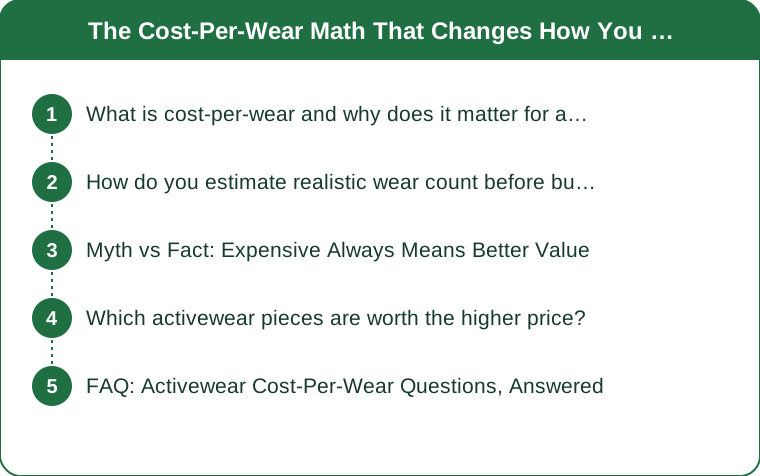
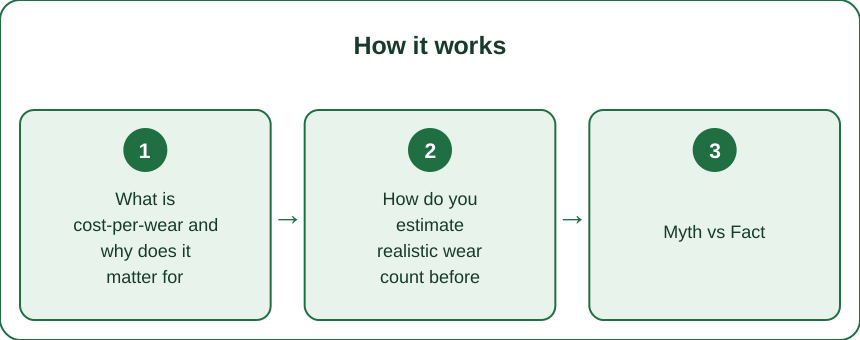
What is cost-per-wear and why does it matter for activewear?
Cost-per-wear (CPW) is simply price ÷ number of wears. It reframes the decision from “can I afford this” to “what does this actually cost me over a year.”
A $30 sports bra that dies after 20 washes (roughly 3 months of regular use) runs about $1.50 per wear. A $58 bra that holds shape for 200+ washes runs closer to $0.29 per wear — nearly five times cheaper in real terms, even though the sticker said the opposite.
How do you estimate realistic wear count before buying?
Be honest, not aspirational. Ask three questions: how many times a week will this actually leave the closet, how many months before your body or the fabric changes, and does this piece have a backup role (errands, travel, lounging)?
A legging worn 3x/week for 10 months is ~130 wears. A statement piece worn twice a month for a season is ~16 wears — that item needs a much lower price tag to earn its spot.

Myth vs Fact: Expensive Always Means Better Value
Myth: The pricier piece always wins on cost-per-wear. Fact: Only if the fabric actually outlasts the cheap version. Some premium brands charge for branding, not durability — check compression retention and pilling reviews before assuming quality tracks price.
Myth: Buying cheap saves money short-term, so it’s fine. Fact: Short-term savings often become long-term spend — replacing a $22 pair three times in a year costs more than one $58 pair that survives all three seasons.
Which activewear pieces are worth the higher price?
Prioritize spend on high-friction pieces: sports bras (support degrades fastest), leggings you squat or run in (highest fabric stress), and anything washed weekly. These earn back their price through wear count.
Spend less on low-frequency pieces: a going-out top worn twice a month, a novelty print, or a seasonal layer. Low wear count means even a great price-per-wear number needs a lower sticker to work out.
FAQ: Activewear Cost-Per-Wear Questions, Answered
Is it ever fine to buy cheap activewear?
Yes — for low-frequency, low-friction pieces where wear count will stay under 20-30 wears anyway. The math simply doesn’t reward a premium price there.
How do I know if a fabric will actually last?
Check the compression recovery after a stretch test in-store, and look for third-party reviews mentioning pilling after 3+ months, not just first-wear impressions.
Does washing method affect cost-per-wear?
Significantly. Cold wash and air dry can roughly double elastic lifespan versus hot wash and machine dry — that alone can flip the CPW winner between two pieces.
TL;DR:
- Cost-per-wear = price ÷ realistic wears, not the sticker price
- High-friction pieces (bras, squat leggings) deserve the higher budget
- Low-frequency pieces don’t need premium pricing to make sense
- Wash cold, air dry — it can double a piece’s real lifespan and flip the math
See It in Motion
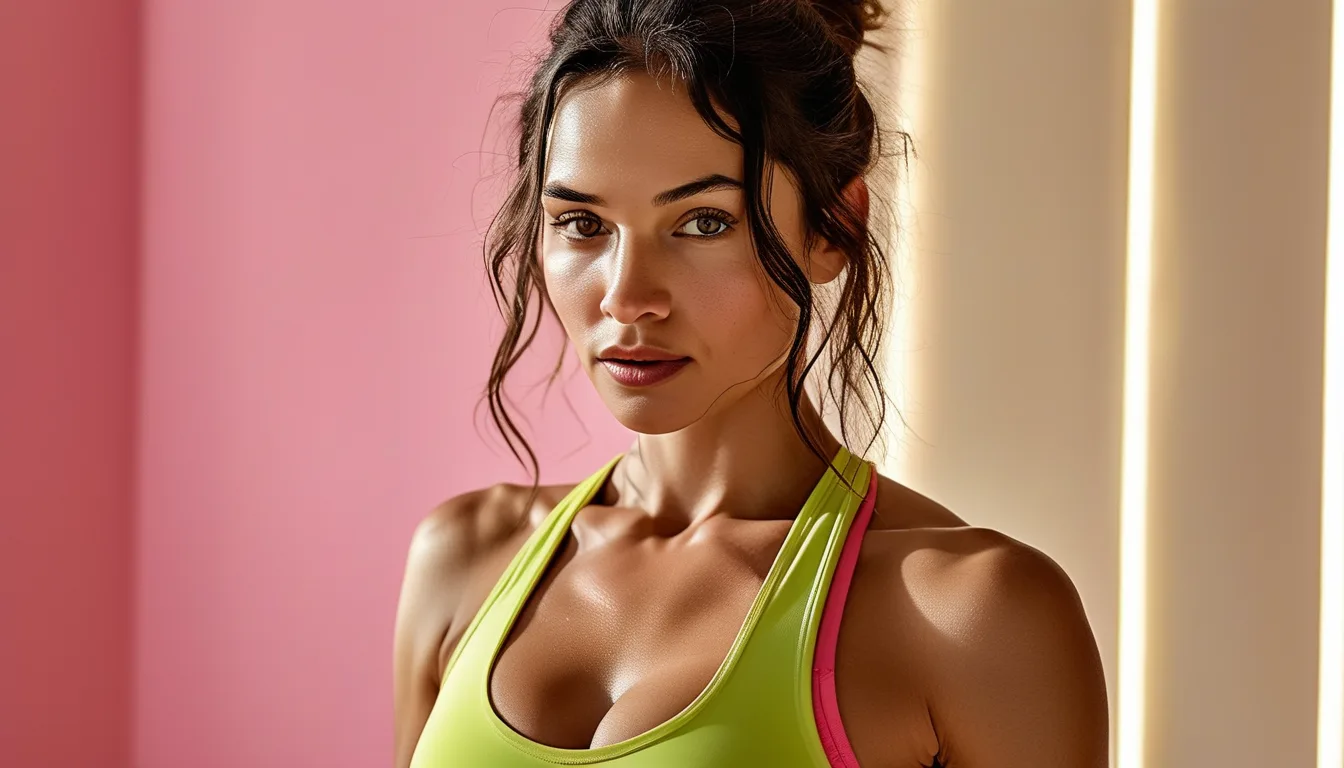
Seen here: UPF 50+ Racerback Yoga Tank Top — shop it on bubblelime.com
Keep Reading
This article is for general informational and styling purposes only. Fit, sizing, and product availability may vary.