The Uniform Effect: Why Wearing the Same Activewear Colors Gets You to the Gym
Some women swear they work out more once every piece in the drawer matches everything else — not a coincidence, a decision-fatigue fix. Choosing an outfit is one more obstacle between you and the door, and a limited palette removes it entirely. Here is why the uniform effect works, how to build the palette, and how to keep it from looking flat.
Why a Limited Palette Removes Friction
The decision-fatigue mechanics: the every-choice-costs-willpower (the picking a workout outfit quietly draining the same limited willpower you need for the workout itself — the decision-fatigue; the fewer-choices-more-energy), the the-matching-guarantee (the knowing any top pairs with any bottom removing the second-guessing entirely — the zero-mismatch-risk), the the-morning-speed (the grabbing whatever is clean and going, no laying-things-out — the faster-out-the-door), the the-visual-calm (the drawer of coordinated pieces reading as calm rather than chaotic — the less-visual-noise), the the-travel-bonus (the same palette packing smaller and mixing easier for trips from the travel-capsule logic — the pack-less-wear-more), and the reframe (the uniform effect as removing a decision so the only decision left is showing up).
How to Build the Palette
The build sequence: the pick-two-neutrals-and-one-accent (the choosing two neutrals plus one accent color as the entire palette — the three-color-ceiling), the the-anchor-first (the buying the highest-wear piece — leggings — in the neutrals first — the leggings-lead), the the-tops-fill-in (the tops in either neutral or the accent, never a fourth color — the disciplined-additions), the the-one-print-allowed (the allowing exactly one printed piece if it pulls from the same palette — the print-as-exception-not-rule), the the-shoes-and-bag-match-too (the extending the palette to shoes and gym bag so nothing clashes — the head-to-toe-cohesion), and the frame (the palette build as two neutrals, one accent, one optional print — pick the leggings color first and let everything else follow).
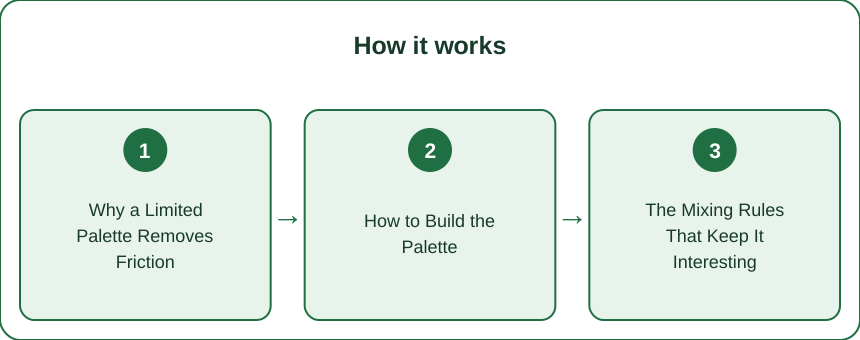
The Mixing Rules That Keep It Interesting
Avoiding the flat trap: the vary-the-texture (the ribbed, matte and shine finishes within the same color reading as different outfits — the texture-not-color-variety), the the-silhouette-swap (the changing cropped versus long, fitted versus flowy within the palette — the shape-does-the-work), the the-one-accent-piece (the letting a single accent-color piece be the focal point each time, never two competing — the one-hero-rule), the the-seasonal-rotation (the swapping the accent color twice a year to keep the capsule feeling fresh — the refresh-without-rebuilding), the the-accessories-add-personality (the a scrunchie, water bottle or bag in a wildcard color signaling personality without breaking the system — the personality-in-the-extras), and the frame (the mixing rules as texture, silhouette and one hero piece — the palette stays disciplined while the outfit still feels different every day. Build two neutrals and one accent, vary texture and silhouette instead of color, and let the small extras carry your personality).
The uniform effect works because every outfit decision quietly taxes the same willpower a workout needs, and a two-neutral-one-accent palette removes that tax entirely — any top pairs with any bottom, mornings move faster, and packing for trips gets smaller. Build it by anchoring on the leggings color first, then filling in tops without adding a fourth color, allowing one printed exception at most. Keep it from looking flat by varying texture and silhouette rather than color, letting one accent piece be the focal point, and refreshing the accent color seasonally. The system does the deciding so you can just show up.
See It in Motion
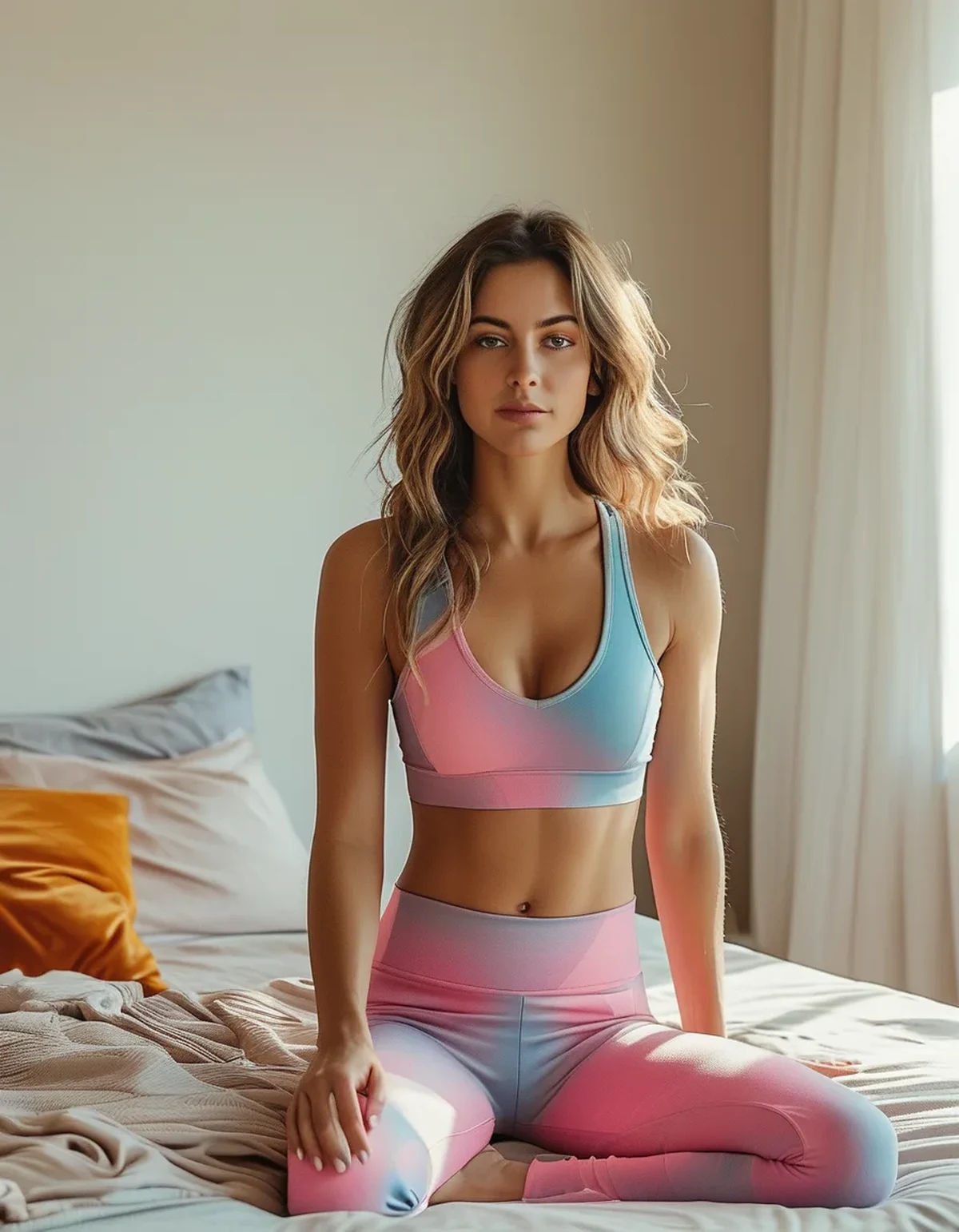
Seen here: High Waist Yoga Leggings with Side Pockets — shop it on bubblelime.com
Keep Reading
This article is for general informational and styling purposes only. Fit, sizing, and product availability may vary.